Need septic tank pumping in Oakland?
Tell Consequencesprogramme Septic what is going on with your septic or sewer system. A local provider in our network can follow up with a written quote. No obligation.
No obligation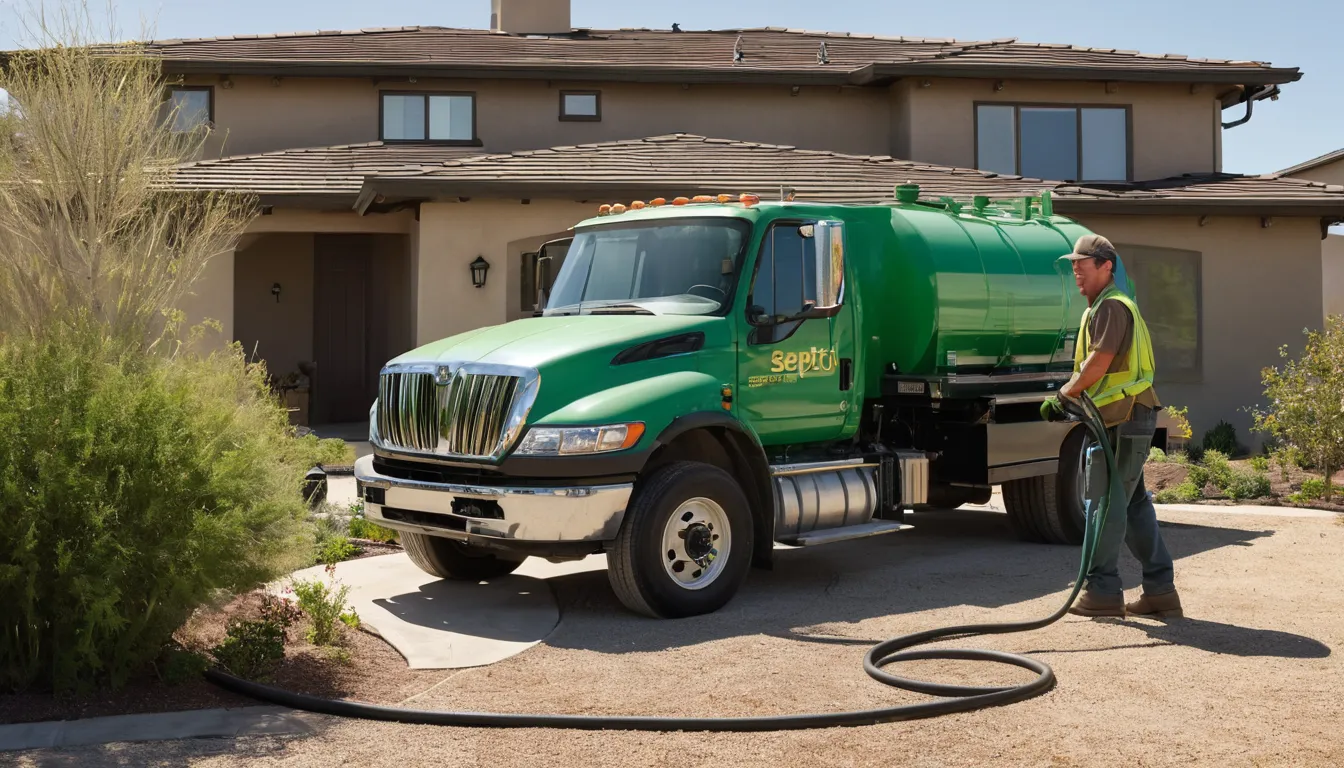
Request an estimate today
Septic tank pumping removes the sludge and scum that build up inside your tank. Left alone, that buildup can reach the drainfield. Then you face slow drains, soggy ground, and repairs that cost far more than a pump-out.
Consequencesprogramme Septic is a referral service. We do not pump tanks. We connect homeowners in the Oakland area with independent local providers who do. Older homes get extra attention here, because aging tanks, buried lids and past repairs can change how a job goes. Tell the provider your home's age. Ask for a quote in writing before work begins.
Answer first. If your drains gurgle, your toilets back up, or the yard smells, the tank may be full. Get it pumped soon.
A full tank has nowhere to send new wastewater. The water goes up your pipes or out into the drainfield with solids in it. Both are bad.
Watch for these:
One sign is a warning. Two or more means act this week.
If sewage is coming up inside the house, treat it as an emergency septic cleaning job. Stop running water. Skip the laundry and the dishwasher. Keep kids and pets away from wet floors and soggy ground.
Request a callback to check provider availability. Many providers can respond quickly, but hours vary.
Solids settle in the tank. Grease floats on top. Bacteria break down some of it, but not all of it.
Pumping clears out what the bacteria cannot. That keeps solids away from the drainfield. A clogged drainfield is the costly part of a septic system, and drainfield repair is a much bigger bill than a pump-out.
Most homes land somewhere between every three and five years. That is a rough rule. Your own number depends on three things:
A big family with a small tank pumps more often. A couple in a large tank can wait longer. A provider can give you a schedule once they see the tank.
Older homes bring surprises. Many tanks from the 1950s through the 1980s are smaller than today's tanks. Some are steel or concrete that has worn down. Lids can be buried under lawn or a patio.
Tell the provider how old the house is. Mention any past repairs you know about. If you have no records, say so. The provider may need time to find the tank, and that can add to the price.
If the tank looks cracked or rusted, the provider should say so plainly. Pumping a failing tank is not a fix.
The provider finds and opens the lids. A hose goes in, and a truck pulls out the liquid and the sludge. Then they check the baffles, the inlet and the outlet. Many also check the water level in the tank to see if the drainfield is draining.
Expect a short visit for a typical tank. A hard-to-reach lid or a packed tank takes longer.
Price follows a few things. Tank size comes first. Then access: how far the truck must reach, and how deep the lid sits. Add heavy buildup, extra digging, and whether you need an inspection with it.
Quote in writing. A written quote lists what is included and what could add cost. It protects you from surprises on the bill.
Pumping is a good moment for an inspection. The tank is empty, so the walls, baffles and pipes are easy to see. Problems that hide behind a full tank show up fast.
Ask if the visit includes a written note on the tank's condition. That note helps if you need repairs later. Providers can often help document damage for a claim. Some policies may cover sudden damage, so check your policy.
Buyers often ask for a septic inspection and a recent pump-out. Sellers who pump first can hand over a clean record. It removes one worry from the sale.
If you are buying an older home, ask for the age of the tank and any repair history. Do not assume the system is fine because the toilets flush.
Some homes with a septic tank also use a private well. If that is you, a failing tank can threaten your drinking water. Ask about water well service and testing when you schedule pumping, especially if the tank is old or the drainfield looks wet.
Small habits protect the tank:
Long dry seasons can harden the soil over a drainfield. Winter rain can then saturate it. Even loads of water in the rainy months help.
Before you agree, ask:
Good providers answer these without fuss.
Request a callback to check provider availability, or use the form to ask for a quote.
The provider empties the tank of liquid, sludge and scum so wastewater has room to settle.
Inlet and outlet baffles and lids get a look, so cracks or rust are spotted.
Providers can locate and uncover buried lids on older homes, which may add a line to your quote.
Many providers give a written note on tank condition, which helps with future repairs, sales or claims.
Prices vary by tank size, access and how long since the last pump-out. These are rough U.S. ranges, not a quote. Get a written quote from the provider before work begins.
| Item | Typical range | Notes |
|---|---|---|
| Standard pump-out (about 1,000 gallons) | $300 – $600 | Common for smaller homes |
| Larger tank (1,500 gallons or more) | $450 – $900 | More volume, longer visit |
| Overfull or neglected tank | $600 – $1,200 | Heavy buildup takes more time |
| Emergency septic cleaning | $500 – $1,200 | Depends on provider and timing |
| Finding and digging out a buried lid | $100 – $400 | Common on older homes |
| Riser and lid installation | $300 – $900 | Makes future access easier |
Describe the signs, the age of your home and any past septic work you know about.
Consequencesprogramme Septic points you to an independent local provider in the Oakland area.
Check tank size, access and extras. Ask questions before you agree to anything.
The provider pumps the tank, checks its condition and leaves you a record of the visit.
Solids stay out of the soil, so the costliest part of your system lasts longer.
A tank with room keeps sewage from rising in tubs, toilets and floor drains.
An empty tank shows cracks, rust and bad baffles early, before they grow.
Providers in our network quote in writing, so you see the cost first.
Tell Consequencesprogramme Septic what is going on with your septic or sewer system. A local provider in our network can follow up with a written quote. No obligation.
No obligationMost homes need pumping every three to five years. Tank size, household size and water use change that number. A local provider can set a schedule after seeing your tank.
A typical U.S. pump-out runs about $300 to $600 for a standard tank. Larger tanks, buried lids and heavy buildup raise the price. Get a written quote before work starts.
Cut back as much as you can. More water pushes solids toward the drainfield and can cause backups. Arrange pumping soon.
Tell Consequencesprogramme Septic what is going on with your septic or sewer system. A local provider in our network can follow up with a written quote. No obligation.
No obligation